Drink eight glasses of water a day. Never wait until you're thirsty. Coffee dehydrates you. Clear urine is the goal. These rules get passed around like gospel, and most of them fall apart under a little scrutiny — not because water doesn't matter, but because human fluid needs are far more variable than a single number suggests. Your body already runs a fairly sophisticated hydration system. The practical question isn't how to hit an arbitrary target; it's how to notice what your body is telling you and build a few habits that make the right answer easy to reach.
The famous number is usually traced back to mid-century dietary guidance that recommended a certain total volume of water per day — and then noted, in a line almost everyone forgets, that most of it would come from food. Somewhere along the way the caveat disappeared and the headline became a rule.
Official guidance today is deliberately vague for a reason. Public health bodies in Europe and North America generally point healthy adults toward roughly 1.5 to 2 litres of fluids a day from drinks, with total water needs — food included — sitting higher. That's a population average, not a prescription for you on a particular Tuesday.
Body size matters. So does muscle mass, activity level, climate, diet, pregnancy, breastfeeding, illness and the medication you take. A 55 kg office worker in a mild climate and a 90 kg runner training in July have wildly different needs, and both will change from one week to the next. Eight glasses isn't wrong so much as it's a placeholder.
The idea that thirst means you're already dehydrated gets repeated constantly, and for most healthy adults it's overstated. Thirst is a regulated response to rising blood concentration, and it arrives well before anything dangerous happens. Drink when you're thirsty, and you'll generally be fine.
The exceptions are worth knowing. Thirst becomes blunter as we age, which is one reason older adults are more vulnerable to dehydration, particularly during illness or heat waves. It's also easy to ignore during intense exercise, when attention is elsewhere, and it can be masked by cool weather or air conditioning. If any of that sounds like you, rely less on thirst and more on routine: a glass with each meal, a bottle within sight at your desk, a drink before and after a workout.
Rather than counting glasses, think about the handful of factors that genuinely move the needle:
Urine colour is the most accessible check you have, as long as you read it sensibly. Pale straw suggests you're comfortably hydrated. Darker amber suggests you could do with a drink, especially if it stays that way through the day. First-thing-in-the-morning urine is naturally more concentrated, so don't panic over one dark sample at 7 a.m.
Two caveats. B vitamins turn urine bright yellow and make colour charts useless for a few hours. Beetroot, some medications and certain medical conditions can tint things unexpectedly too. And clear, colourless urine several times a day is not the gold standard it's cracked up to be — it can simply mean you're drinking more than you need.
Other useful signals: how often you urinate (every few hours is typical), whether your mouth feels dry, and how you feel during exercise. A mild headache, flagging concentration or a heavy, sluggish feeling in the afternoon can all point to under-drinking — though they have plenty of other causes too, so don't treat water as a cure-all.
Overhydration is rarer than dehydration but real, and it can be serious. Drinking large volumes quickly — usually during endurance events, or when someone follows a "drink as much as you can" instruction — can dilute the sodium in your blood, a condition called hyponatraemia. Symptoms can include bloating, nausea, headache and confusion.
The practical takeaway: during long events, drink to thirst rather than to a schedule, include sodium, and don't force fluids down. People with kidney, heart or liver conditions, and anyone on fluid-restricted diets, should follow their clinician's advice rather than general guidance. If you're ever unsure, ask a doctor or pharmacist — the general advice in this piece is for healthy adults and can't account for your medical history.
Skip the counting and build a few anchors instead.
One last practical note: if you notice persistent, unusual thirst or a sudden change in how often you urinate, mention it to a doctor. Those symptoms have ordinary explanations, but a few of the less ordinary ones are worth ruling out early. For everyone else, trust the signal, use the habits, and treat the eight-glass rule as what it always was — a rough nudge in a reasonable direction.
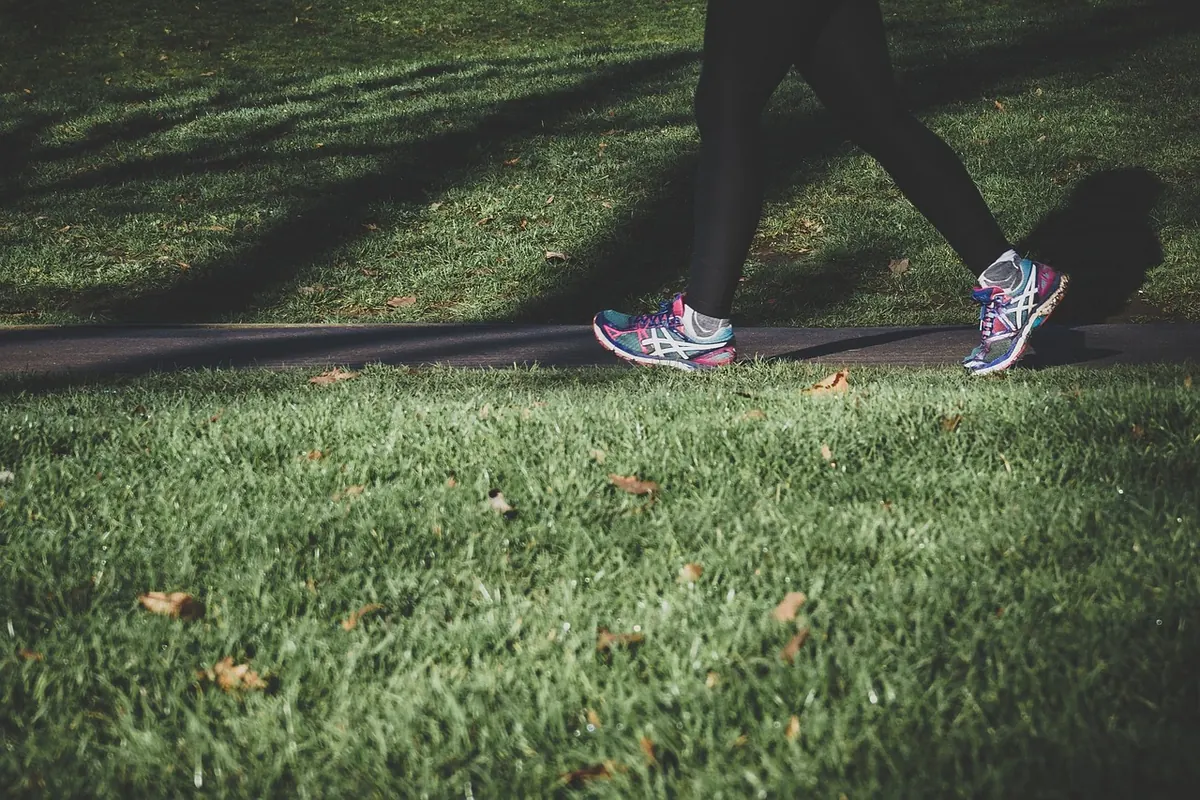
Photo: NickyPe / Pixabay